China Studies
Introduction
China Studies is a multidisciplinary academic field dedicated to the study of China's history, politics, language, literature, culture, and economy. It encompasses both historical Sinology, which focuses on classical Chinese texts and traditions, and modern China Studies, which examines contemporary developments and global interactions. The field has gained increasing prominence worldwide, reflecting China's growing influence in global affairs and its rich cultural heritage. Scholars and institutions around the globe have contributed to the development of China Studies, fostering mutual understanding and intellectual exchange between China and the rest of the world.
History of China Studies
The history of China Studies is a rich tapestry of intellectual exchange, cultural curiosity, and academic evolution spanning centuries. The field originated in the late 16th century when Jesuit missionaries, such as Matteo Ricci, arrived in China. These missionaries mastered classical Chinese, adopted Confucian customs, and fostered mutual intellectual engagement, producing extensive works that introduced Chinese language, culture, history, and art to the West. Prominent among these contributions is "Confucius Sinarum Philosophus" (1687), a Latin translation of Confucian texts compiled by French Jesuits under Louis XIV's patronage.
In the 18th century, Enlightenment thinkers like Voltaire admired Confucian China's merit-based bureaucracy and secular ethics, contrasting it with Europe's absolutist systems. This admiration laid the groundwork for early Sinology, which focused on philological studies of historical China. By the 19th century, academic Sinologists such as Jean-Pierre Abel-Rémusat advanced the field, establishing dedicated chairs for Chinese studies in European institutions.
The 19th century also marked a shift in Western perspectives due to China's decline during the "Century of Humiliation." Orientalist portrayals emerged, framing China as stagnant and resistant to progress. Scholars like John King Fairbank institutionalized China Studies in the United States, emphasizing multidisciplinary approaches but often underestimating China's internal agency and reforms.
The 20th century witnessed a revival of interest in China's intellectual contributions, exemplified by Joseph Needham's monumental "Science and Civilization in China", which challenged Eurocentric assumptions and highlighted China's scientific achievements. Concurrently, New Confucianism reinterpreted traditional philosophy to address modernization and cultural identity.
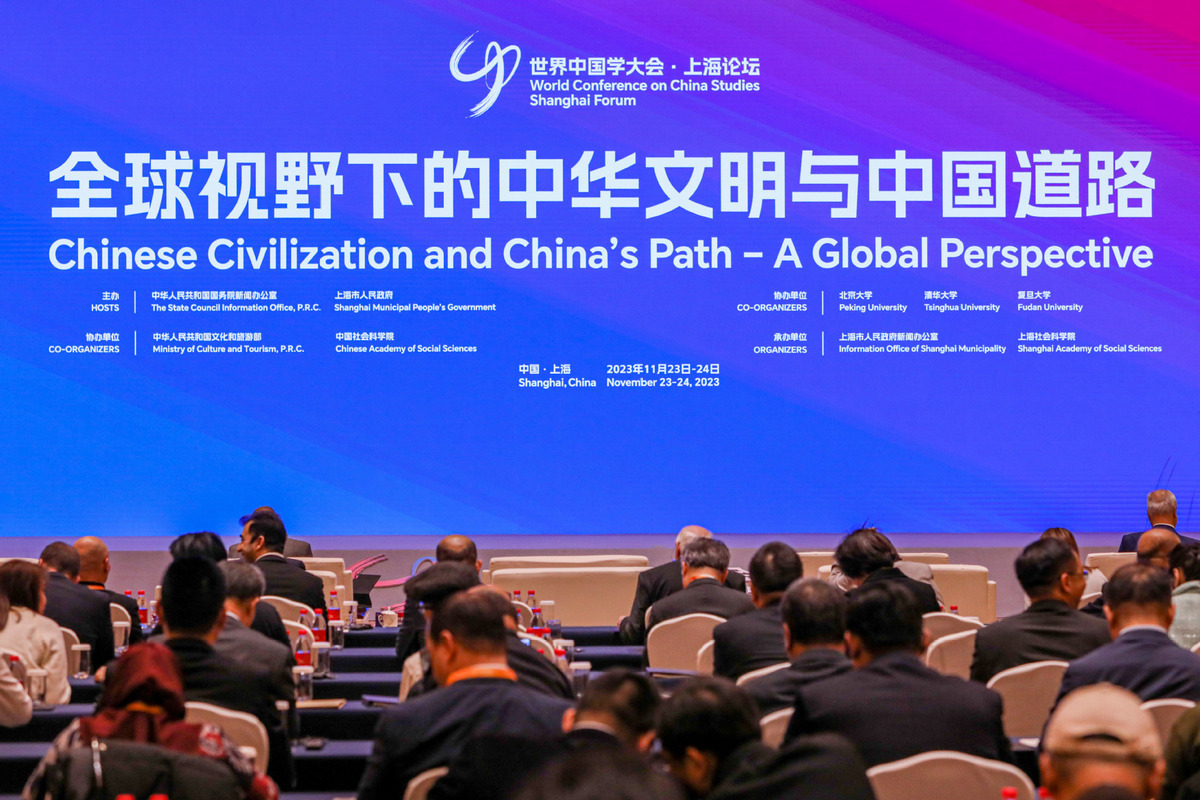
Today, China Studies encompasses a multidisciplinary approach, integrating history, politics, language, literature, culture, and economics. The field has expanded globally, with institutions and scholars increasingly collaborating to explore China's ancient wisdom and contemporary developments. Events like the World Conference on China Studies and initiatives such as the Visiting Program for Young Sinologists reflect the growing importance of fostering mutual understanding and dialogue between China and the world.








